Table of Contents
1.Introduction: The Rise of Soft-Sided Spas in Modern Wellness
2.Understanding Your Soft Spa: Structural Features and Material Advantages
3.Essential Maintenance Routines for Long-Lasting Comfort
4.Optimizing Hydrotherapy Experience Through Ergonomic Design
5.Embracing Smart Technology and 2025-2026 Innovations
6.Conclusion: Your Path to Ultimate Relaxation
The Rise of Soft-Sided Spas in Modern Wellness
The wellness industry continues to evolve rapidly, with soft-sided spas emerging as a compelling solution for homeowners seeking relaxation without the complexity of traditional hard-shell installations. As we navigate through 2026, the demand for portable, comfortable, and energy-efficient hydrotherapy solutions has never been higher. Soft spas represent a convergence of innovative materials engineering and user-centric design philosophy, offering unique advantages that distinguish them from conventional alternatives.
For enthusiasts exploring the softspa world, understanding how to maximize comfort and longevity requires both technical knowledge and practical wisdom. This comprehensive guide delves into the structural innovations, maintenance protocols, and technological advancements that define modern soft spa ownership, empowering readers to extract optimal value from their investment.
Understanding Your Soft Spa: Structural Features and Material Advantages
The Engineering Behind Soft-Sided Construction
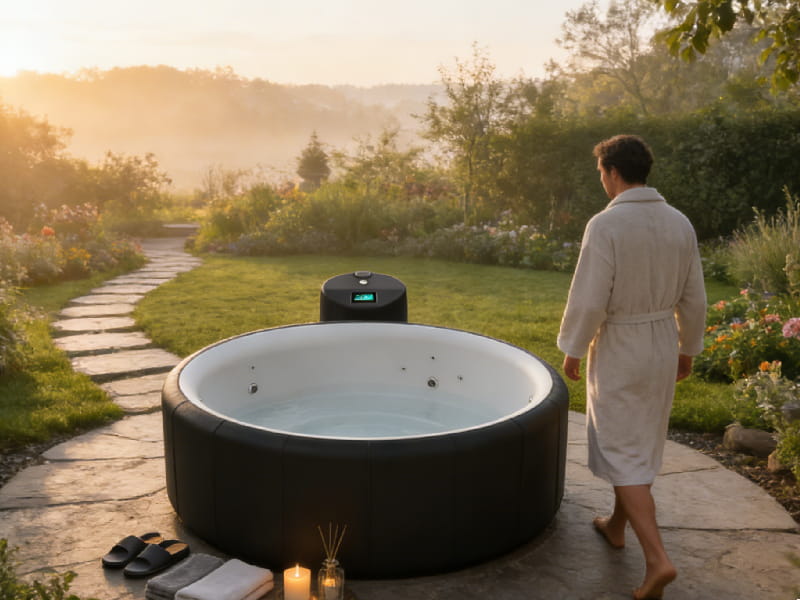
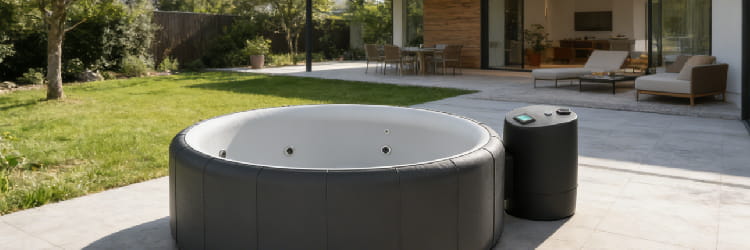
Modern soft spas distinguish themselves through sophisticated material engineering that balances durability with user comfort. Unlike rigid alternatives, contemporary soft tub designs typically incorporate multi-layered construction systems. Advanced models feature up to 31 layers of closed-cell polybond foam, exterior-wrapped with UV-stabilized, marine-grade vinyl . This architectural approach creates a robust yet yielding structure capable of supporting substantial weight while maintaining the signature soft-sided experience.
The closed-cell foam configuration delivers multiple benefits simultaneously. This material composition ensures structural integrity without excessive weight, facilitating the portable nature that defines the category . Homeowners appreciate that such designs eliminate the need for complex site preparation, including concrete pads or excavation work commonly required for hard-shell installations .
Material Benefits Beyond Traditional Alternatives
The vinyl exterior represents more than aesthetic appeal. Marine-grade materials resist UV degradation, preventing premature deterioration from sun exposure—a critical consideration for outdoor installations. The soft-sided approach inherently addresses safety concerns by eliminating hard impact surfaces, creating a more forgiving environment particularly beneficial for families with children or elderly users .
Durability concerns often arise regarding soft-sided versus hard-shell options. Quality manufacturing processes ensure that properly maintained soft spas deliver extended service lives comparable to traditional alternatives. The foam core provides insulation properties contributing to energy efficiency, while the vinyl shell resists punctures and tearing when appropriately cared for .
Comparative Advantages of Soft-Sided Construction:
Feature | Soft-Sided Spa | Traditional Hard-Shell |
Installation Requirements | Minimal; flat surface sufficient | Concrete pad; electrical upgrades common |
Portability | Highly portable; relocatable | Stationary; professional installation |
Safety Profile | Soft surfaces reduce injury risk | Hard surfaces present impact hazards |
Initial Investment | Generally more economical | Higher upfront costs |
Comfort Level | Cushioned seating experience | Rigid molded seating |
Essential Maintenance Routines for Long-Lasting Comfort
Water Chemistry Management: The Foundation of Comfort
Preserving optimal water chemistry remains paramount for both user comfort and material longevity. The unique vinyl and foam construction of soft spas demands specific attention to chemical parameters that directly impact material degradation rates. Establishing a disciplined testing routine prevents the majority of common issues that compromise comfort and equipment lifespan.
Critical Water Parameters to Monitor:
l pH Levels: Maintain between 7.2-7.8 for optimal bather comfort and material protection
l Total Alkalinity: Keep within 100-120 ppm to stabilize pH fluctuations
l Calcium Hardness: Target 150-250 ppm to prevent foam formation and surface damage
l Sanitizer Levels: Regular chlorine or bromine testing ensures bacterial control
Improper pH management poses particular risks to vinyl surfaces, accelerating degradation and compromising the comfortable texture users expect . Weekly water testing establishes baseline awareness, while monthly professional analysis provides deeper insights into water quality trends.
Cleaning Protocols for Soft Materials
The vinyl exterior and foam core require specific cleaning approaches distinct from hard-surface alternatives. Harsh chemicals and abrasive cleaning tools damage vinyl finishes, creating micro-tears that expand over time. Instead, gentle detergent solutions applied with soft cloths maintain surface integrity while removing contaminants .
Recommended Maintenance Schedule:
Task | Frequency | Method |
Surface Wipe-Down | Weekly | Mild soap; soft cloth; thorough rinse |
Filter Cleaning | Bi-weekly | Rinse with garden hose; rotate cartridges |
Cover Conditioning | Monthly | Vinyl conditioner application; underside inspection |
Water Replacement | Quarterly | Full drain; surface cleaning; refill with fresh water |
Deep Cleaning | Annually | Professional-grade products; inspection of all components |
Regular filter maintenance directly impacts water circulation quality, affecting both comfort and energy efficiency. Clogged filters restrict flow, forcing equipment to work harder while reducing hydrotherapy effectiveness . Establishing a consistent filter rotation schedule ensures continuous performance optimization.
Cover Care and Heat Retention
Quality covers significantly influence both energy consumption and water quality maintenance. Soft spa covers, typically constructed with vinyl exteriors and foam cores, require monthly conditioning to prevent cracking and waterlogging . Proper cover usage during non-use periods dramatically reduces heating costs—some estimates suggest up to 50% energy savings through consistent cover application .
The foam core within covers requires occasional rotation to ensure even wear distribution, while vinyl exteriors benefit from UV-protectant conditioners applied seasonally . Damaged or waterlogged covers lose insulation capacity, accelerating heat loss and increasing operational costs.
Optimizing Hydrotherapy Experience Through Ergonomic Design
Seating Design Philosophy
Contemporary soft spa designs increasingly incorporate ergonomic principles that maximize therapeutic benefits. Unlike early generations featuring simple cylindrical interiors, modern offerings include sculpted seating configurations that support natural body positioning . These designs contour to body curves, reducing the floating sensation that sometimes discomforts users during extended sessions.
The psychological dimension of seating design merits attention. Well-designed seating eliminates constant repositioning, allowing deeper relaxation states. Strategic depth variations accommodate different user heights, while textured surfaces provide subtle grip without compromising the comfortable soft-sided character .
Jet Configuration and Therapeutic Positioning
Hydrotherapy effectiveness depends substantially upon jet placement and configuration. Strategic positioning targets major muscle groups including neck, shoulders, lower back, and feet—areas where tension commonly accumulates . Premium configurations offer adjustable jet intensity, allowing users to customize therapeutic pressure according to preference and treatment goals.
Jet Types and Therapeutic Applications:
Jet Category | Target Area | Therapeutic Benefit |
Rotary Jets | Large muscle groups | Deep tissue massage; circulation stimulation |
Directional Jets | Specific tension points | Targeted relief; customizable positioning |
Cluster Jets | Back and shoulders | Broad coverage; relaxation focus |
Foot Jets | Soles and ankles | Reflexology benefits; standing massage option |
Modern designs increasingly embed jets within recessed channels, preventing direct contact discomfort during repositioning . This thoughtful integration maintains smooth interior surfaces while delivering powerful hydrotherapy benefits.
Embracing Smart Technology and 2025-2026 Innovations
Intelligent Control Systems
The 2025-2026 generation of soft spas showcases remarkable technological integration transforming user experience. Built-in Wi-Fi modules now enable comprehensive smartphone application control, allowing temperature adjustment, jet activation, and lighting customization from anywhere . This connectivity extends scheduling capabilities, ensuring the spa reaches optimal temperature precisely when desired.
Voice control integration represents another advancement, with select models supporting popular home automation platforms . Imagine commanding your soft tub to prepare for evening relaxation through simple voice prompts—a reality increasingly available to consumers. Digital touchscreen interfaces provide intuitive local control, replacing cumbersome button arrays with elegant visual displays .
Energy Efficiency Advancements
Environmental consciousness drives innovation in insulation and heating technologies. Advanced models incorporate multi-layer insulation systems achieving significant energy reductions compared to earlier generations . Some manufacturers report compliance with California Energy Commission standards among the most stringent globally, demonstrating the category's maturity .
Smart heating algorithms optimize energy consumption by learning usage patterns and adjusting heating cycles accordingly. Rather than maintaining constant temperature, intelligent systems pre-heat for anticipated use periods while conserving energy during idle times. These approaches reduce operational costs while maintaining readiness for spontaneous relaxation sessions.
Material and Sustainability Innovations
The 2025-2026 period witnesses increased emphasis on sustainable materials throughout spa construction. Manufacturers explore bio-compatible options and environmentally responsible manufacturing processes . Low-emission materials reduce off-gassing concerns, improving the air quality around installations—particularly relevant for enclosed or semi-enclosed settings.
Advanced vinyl formulations offer enhanced UV resistance and durability without compromising the soft texture essential to user comfort. These materials maintain flexibility across temperature extremes, preventing cracking in cold conditions and excessive stretching in heat .
2025-2026 Technological Feature Comparison:
Feature Category | Standard Models | Premium Models |
Control Interface | Basic push-button | Touchscreen + App + Voice |
Connectivity | Limited | Wi-Fi; Smart home integration |
Energy Management | Manual scheduling | AI-optimized; usage learning |
Monitoring | Manual testing | Automated sensors; alerts |
Personalization | Fixed programs | Custom massage sequences |

Your Path to Ultimate Relaxation
Maximizing comfort from your soft-sided spa investment requires understanding the interplay between material science, maintenance discipline, ergonomic design, and technological integration. The modern soft tub represents sophisticated engineering delivering accessibility without compromising therapeutic effectiveness.
Key takeaways for owners include:
1.Water chemistry diligence protects both comfort and materials—establish consistent testing routines and respond promptly to parameter deviations.
2.Material-specific care extends lifespan—gentle cleaning products and proper cover maintenance preserve the vinyl and foam construction unique to soft spas.
3.Ergonomic positioning enhances therapeutic benefits—select seating configurations that support natural body alignment and target personal tension areas.
4.Embrace technological advancements—smart controls and energy management features available in 2025-2026 models enhance convenience while reducing operational costs.
5.Preventive maintenance prevents costly repairs—scheduled filter cleaning, cover conditioning, and component inspection identify issues before they escalate.
The softspa world continues evolving, with manufacturers pushing boundaries in comfort optimization, energy efficiency, and intelligent features. Owners who understand their equipment's capabilities and maintenance requirements extract maximum value—both in terms of longevity and relaxation quality.
Your soft spa represents an investment in personal wellness. Through informed operation and consistent care, this investment delivers returns in daily comfort, stress relief, and quality of life enhancement. The path to optimal relaxation runs through knowledge and intentional maintenance—tools now at your disposal.
This educational content serves soft spa enthusiasts seeking to optimize their hydrotherapy experience. Consult manufacturer documentation for model-specific guidance and professional technicians for complex maintenance requirements.