Table of Contents
1.Introduction: That Familiar Post-Workout Ache
2.The Great Recovery Debate: A 2026 Look at Hot vs. Cold Therapy
3.The Science of Soaking: 3 Ways Warm Water Supercharges Recovery
4.Your Perfect Protocol: Optimizing Recovery in Your Soft Spa
5.Conclusion: Warm Up to a Smarter Recovery
1.That Familiar Post-Workout Ache
You’ve just crushed your workout. You pushed your limits, lifted heavier, ran faster, and held that pose longer. The feeling of accomplishment is immense, but you know what’s coming next: the inevitable muscle soreness, stiffness, and fatigue. For anyone dedicated to fitness, the question isn't just how to train hard, but how to recover smart.
For years, the fitness community has championed the teeth-chattering ritual of the ice bath, or cold water immersion (CWI), as the gold standard for recovery. We’ve been told that enduring the icy shock is the price of peak performance. But what if there was a more comfortable, more enjoyable, and potentially more beneficial way to help your muscles repair and rebuild?
As of April 2026, a growing body of research and a deeper understanding of exercise physiology are shifting the conversation. It’s time to look at the powerful, science-backed benefits of warm water hydrotherapy. Using your personal soft tub isn't just a luxury; it's a strategic tool that can transform your post-exercise routine and unlock a new level of recovery.

2.The Great Recovery Debate: A 2026 Look at Hot vs. Cold Therapy
To understand the benefits of a warm soak, it’s helpful to first understand why athletes started jumping into ice baths in the first place. The primary theory behind CWI is that the cold temperature causes vasoconstriction, or the tightening of blood vessels . This process is thought to help flush metabolic waste products from the muscles and, more importantly, reduce the inflammation and swelling that lead to Delayed Onset Muscle Soreness (DOMS) . For acute injuries or after an incredibly intense competition, this can be effective for short-term pain relief.
However, the science is evolving. Recent expert consensus statements emerging in 2026 are raising critical questions about the long-term effects of CWI. Inflammation, it turns out, is a necessary part of the muscle-building process. It signals the body to repair and strengthen the muscle fibers you just worked. Some cutting-edge research now suggests that consistently blunting this inflammatory response with ice baths might actually interfere with long-term training adaptations, potentially slowing down muscle growth (hypertrophy) and strength gains .
This is where warm water immersion (WWI) enters as a powerful alternative. Instead of fighting the body's natural repair process, a warm soak in your soft spa works with it. It focuses on promoting circulation, easing muscular tension, and supporting the recovery process without potentially hindering your hard-earned gains.
Here’s a simple breakdown of their different roles:
Therapy Type | Primary Mechanism | Key Benefit | Best For | Potential Downside (as of 2026) |
Cold Water Immersion (CWI) | Vasoconstriction (Blood vessels narrow) | Reduces acute inflammation & swelling; numbs pain | Immediately after intense competition or acute injury | May blunt long-term muscle & strength adaptations |
Warm Water Immersion (WWI) | Vasodilation (Blood vessels expand) | Increases blood flow; relaxes muscles; aids repair | Routine post-workout recovery; managing general soreness | Less effective for acute, high-swelling injuries |
For the dedicated fitness enthusiast training several times a week, the goal is consistent, sustainable recovery. This makes warm water therapy not just an alternative, but arguably a more strategic choice for long-term progress.
3.The Science of Soaking: 3 Ways Warm Water Supercharges Recovery
So, what exactly happens when you sink into a warm, bubbling soft spa after a tough session? The magic lies in the physiological responses triggered by the heat and buoyancy of the water.
1. It Boosts Circulation to Feed Your Muscles
Unlike the constricting effect of cold, warm water at a therapeutic temperature (around 38-40°C or 100-104°F) prompts vasodilation . Your blood vessels expand, which dramatically increases circulation throughout your body.
This enhanced blood flow is a game-changer for recovery. Think of it as an express delivery service for your tired muscles. The increased circulation efficiently:
l Delivers Oxygen and Nutrients: Freshly oxygenated blood, rich with the nutrients needed for repair, floods the muscle tissue you just broke down .
l Removes Metabolic Byproducts: It helps to more effectively clear out metabolic waste like lactic acid, which can contribute to soreness and fatigue.
By improving this vital transport system, you’re giving your muscles the exact resources they need to repair, rebuild, and come back stronger for your next workout.
2. It Melts Away Muscle Tension and Eases Soreness
One of the most immediate benefits you'll feel is profound muscle relaxation. After a workout, muscles can remain in a partially contracted, tense state. The warmth from the water helps to soothe your central nervous system and directly relaxes these tight muscle fibers, alleviating the stiffness that often sets in post-exercise .
Furthermore, the buoyancy of the water creates a near-weightless environment. This lifts the pressure of gravity off your joints and muscles, a gentle form of decompression that allows your entire body to release tension . This combination of heat and buoyancy provides significant relief from the general aches and pains that accompany a dedicated fitness regimen.
3. It Enhances Psychological Recovery
Recovery isn't just physical; it's mental, too. The stress of intense training, combined with the demands of daily life, can elevate cortisol (the stress hormone), which can impede recovery.
The act of immersing yourself in warm water is a powerful form of stress relief. It's a calming ritual that forces you to slow down, breathe, and focus on the present moment. This psychological release is not just a "feel-good" extra; it's a crucial component of holistic recovery. Lowering stress and improving your mood can lead to better sleep quality—the single most important factor in muscle repair and hormonal regulation. Many athletes report a better "perceived recovery," meaning they simply feel more rested, rejuvenated, and ready to tackle their next session, a benefit that should never be underestimated .
4.Your Perfect Protocol: Optimizing Recovery in Your Soft Spa
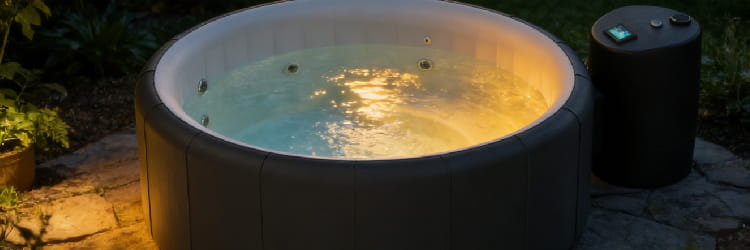
Simply owning a soft tub is the first step; using it strategically is the key to unlocking its full potential. Modern portable hot tubs are engineered specifically to maximize these therapeutic benefits.
l Harness the Power of Hydrotherapy Jets: These aren't just for bubbles. The strategically placed jets in today's soft spa models are designed for targeted hydromassage . After leg day, position yourself so the jets can work on your tight hamstrings, quadriceps, and calves. After a heavy lifting session, let them knead the tension out of your lower back and shoulders. This targeted pressure further boosts circulation to specific areas and mimics the effects of a sports massage .
l Leverage Ergonomic Design: The best recovery happens when your body can fully relax. Modern portable spas feature ergonomic seating that contours to your body, supporting your spine and taking all pressure off your joints . This allows your muscles to completely release, making the warm water and jet therapy far more effective than just sitting in a standard bathtub.
l Follow a Simple, Effective Protocol: To get the most out of your recovery soak, timing and temperature matter.
l Timing: Don't jump in immediately after your final rep. Give your body about 60-90 minutes post-workout. This allows your heart rate to return to normal and the initial, beneficial phase of the inflammatory response to begin.
l Temperature: Aim for a water temperature between 38-40°C (100-104°F). This is warm enough to induce vasodilation and muscle relaxation without being so hot that it puts unnecessary stress on your cardiovascular system .
l Duration: A 15 to 20-minute session is the sweet spot. This is long enough to reap the full benefits without leading to dehydration or overheating.
l Hydration: Always drink plenty of water before and after your soak to stay hydrated.
5.Warm Up to a Smarter Recovery
The world of athletic recovery is constantly advancing. While ice baths may still have a place for specific, acute situations, the latest understanding points toward warm water hydrotherapy as a superior strategy for routine, long-term muscle recovery and wellness.
A warm soak in your soft tub does more than just feel good. It is a science-backed method that actively promotes circulation, relieves deep-seated muscle tension, and calms your mind—all of which are essential for optimal repair and growth. Critically, it does so without interfering with the very adaptations you train so hard to achieve.
Stop thinking of recovery as a painful chore you have to endure. It's time to embrace a method that is both deeply effective and profoundly restorative. By integrating a warm, therapeutic soak into your post-workout routine, you’re not just recovering; you’re investing in your long-term performance, health, and well-being.